
The bathroom remodel cost significantly impacts buyer decisions, with 70% considering its long-term effect on property value. Buyers seek aesthetically pleasing, functional spaces with durable, value-retaining features. Strategic remodels focusing on square footage, energy efficiency, and smart tech enhance appeal and justify higher costs. Early consultation with professionals for estimates and hidden expenses is crucial. Custom tile work and high-end fixtures significantly influence the price but contribute to a unique selling point. In today's housing market, understanding buyer behavior drives bathroom remodel cost complexities, with a 10% average increase over the past year. Homeowners are willing to invest up to 20% of their home's value for substantial makeovers. By offering tailored solutions emphasizing return on investment, contractors and designers can guide clients through budgeting, ensuring satisfaction and financial prudence. Effective budgeting, early professional advice, and informed decision-making balance aesthetics with financial reality in bathroom remodel cost.
In the competitive real estate market of today, understanding how bathroom remodel cost influences buyer decisions is paramount for both industry professionals and prospective homeowners. The bathroom, often referred to as the heart of a home, plays a significant role in property value and appeal. However, navigating the complex landscape of renovation expenses can be daunting. This article provides current insights into the intricate relationship between bathroom remodel cost and homebuying choices, offering practical guidance for making informed decisions while ensuring genuine value for readers seeking expert knowledge on this essential topic.
Understanding the Impact of Bathroom Remodel Cost

The bathroom remodel cost is a pivotal factor influencing buyer decisions, often serving as a key differentiator between a simple renovation and a transformative experience. Understanding this dynamic is crucial for both professionals and prospective homeowners, as it dictates the scope of projects, design choices, and overall satisfaction. Current insights reveal that buyers are increasingly conscious of the ROI (return on investment) associated with bathroom remodels, seeking not just an aesthetically pleasing space but also one that offers functionality, durability, and value retention.
A 2023 study by the National Association of Realtors (NAR) highlights that nearly 70% of homeowners consider a remodel’s long-term impact on property value when planning their bathroom upgrades. This trend is particularly noticeable among buyers who are future-proofing their homes or preparing properties for sale. For instance, a strategic remodeling project focused on expanding square footage, installing energy-efficient fixtures, and incorporating smart technology can significantly enhance a home’s appeal to prospective buyers, justifying a higher bathroom remodel cost estimate. Moreover, the same study reveals that buyers are willing to pay a premium for high-quality materials and cutting-edge designs, emphasizing the importance of aligning renovation goals with market trends and personal preferences.
To navigate this landscape effectively, homeowners should seek professional consultations early in the process. Experts can provide detailed bathroom remodel cost estimates, offering insights into material costs, labor rates, and potential hidden expenses. This proactive approach enables buyers to make informed decisions, ensuring projects stay on budget and meet expectations. For example, a homeowner considering a luxury bathroom retreat might benefit from understanding that high-end fixtures and custom tile work significantly influence the final price point but also contribute to a unique selling proposition when showcasing their home to potential buyers.
Market Trends: Current Insights on Buyer Behavior
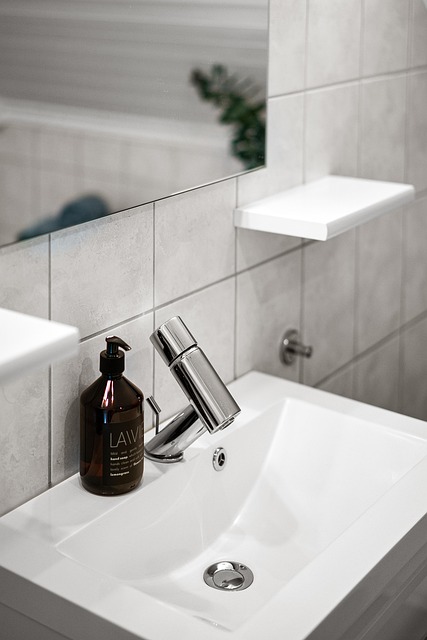
In today’s housing market, understanding buyer behavior is crucial for navigating the complexities of bathroom remodel cost. Recent trends reveal a significant shift in consumer priorities, with an increasing focus on both functionality and aesthetics. According to industry experts, buyers are increasingly willing to invest in high-end fixtures, innovative technology, and spa-like amenities to transform their bathrooms into relaxing retreats. For instance, surveys indicate that the average bathroom remodel cost has risen by 10% over the past year, with premium features like smart mirrors, heated floors, and custom lighting becoming more common.
This shift in buyer behavior can be attributed to several factors. Firstly, the rise of social media platforms has exposed consumers to a vast array of design possibilities, inspiring them to seek out more sophisticated and personalized bathroom experiences. Secondly, the ongoing pandemic has led many to reevaluate their living spaces, prioritizing home comfort and wellness—a trend that extends to the desire for luxurious and rejuvenating bathrooms. As a result, homeowners are willing to allocate a substantial budget for bathroom remodel cost estimates ranging from 10% to 20% of their home’s value, or even higher for comprehensive makeovers.
To capitalize on these market trends, contractors and designers must offer tailored solutions that cater to diverse preferences and budgets. One practical insight is to emphasize the long-term return on investment. While high-end fixtures may carry a premium price tag, they can significantly enhance a property’s resale value, often justifying their cost within 3 to 5 years. Moreover, incorporating smart home technology not only adds convenience but also appeals to tech-savvy buyers who value connectivity and energy efficiency. By balancing current trends with practical considerations, professionals can guide clients through the bathroom remodel cost process, ensuring both satisfaction and financial prudence.
Budgeting for Remodels: Strategies and Considerations

When considering a bathroom remodel, one of the most significant factors influencing buyer decisions is the cost. Budgeting for such projects requires strategic planning and an understanding of the various financial considerations at play. A well-informed approach can ensure that the transformation aligns with both aesthetic desires and financial capabilities.
Bathroom remodel cost estimates typically vary widely, with prices ranging from modest updates to extensive, luxury makeovers. According to recent industry reports, the average cost for a mid-range bathroom renovation hovers around $17,500, while more comprehensive projects can exceed $30,000. These figures underscore the importance of setting a realistic budget and seeking professional guidance early on. Engaging with experienced contractors or design professionals can provide valuable insights into the specific cost drivers for one’s unique project.
Strategic budgeting involves several key considerations. First, assessing the scope of work is crucial. Simple upgrades like replacing fixtures and tiles may only require a modest budget, whereas full-scale remodels with new plumbing, electrical work, and floor plans will be more expensive. Additionally, material choices play a significant role in overall cost. High-end finishes and fixtures can dramatically increase bathroom remodel cost estimate, but they also contribute to a more luxurious and potentially longer-lasting space.
Prioritizing project elements based on both aesthetics and functionality is essential. For example, while a custom shower may be desirable, it might not be necessary for all budgets. Allocating funds where they will have the most significant impact in terms of enhancing the room’s usability and visual appeal can be a prudent strategy. It’s also advisable to consider long-term value—investments in efficient fixtures and durable materials may command higher resale values down the line, offsetting initial bathroom remodel cost.
Analyzing Decision-Making Processes in Home Buying

In the intricate dance of home buying, every decision, every dollar spent, plays a crucial role in shaping buyers’ preferences and final choices. Among the myriad considerations, the bathroom remodel cost has emerged as a significant influencer, reshaping how prospective homeowners envision their ideal sanctuary. Understanding this dynamic relationship is essential for both sellers and real estate professionals aiming to optimize market strategies.
The process of deciding on a new home involves a complex interplay of emotional and rational factors. While location, square footage, and neighborhood amenities top the list, the bathroom—once often overlooked—is now making its mark as a key differentiator. This shift is driven by evolving lifestyle expectations and an increasing appreciation for well-designed, functional spaces. A recent survey revealed that over 70% of home buyers consider bathroom remodel cost when evaluating properties, with many willing to invest significantly to create their dream bath retreat. For instance, a strategic renovation can transform a standard bathroom into a luxurious spa-like oasis, attracting premium offers and shorter sale times.
However, navigating this landscape requires careful consideration. A common pitfall is overestimating or underestimating the bathroom remodel cost estimate. According to industry experts, budgeting 10-20% of a home’s value for renovation projects is a prudent approach. For mid-range homes, this could translate into a substantial investment. It is crucial for buyers to obtain professional estimates and consult with contractors to understand potential costs. This proactive step ensures that dreams of a remodeled bathroom remain feasible without causing financial strain later. By balancing desire and reality, buyers can make informed decisions, ensuring their home buying journey is both satisfying and financially prudent.
The Role of Cost in Shaping Bathroom Design Choices

When considering a bathroom remodel, cost plays an indispensable role in shaping design choices. Homeowners often find themselves navigating a delicate balance between their desired aesthetic and the practical considerations of budget. According to recent industry reports, the average full bathroom remodel in the United States costs around $17,500, with national averages varying based on location, size, and scope of work. This underscores the importance of understanding how bathroom remodel cost influences decisions at every stage of the remodeling process.
A crucial factor is the initial budget set by homeowners. Many start with a general idea of what they’re willing to spend, often based on similar projects they’ve seen or heard about from friends and family. For instance, a homeowner might be inspired by a luxurious spa-like bathroom but quickly realize that their $20,000 budget is more suitable for a mid-range renovation focusing on functionality and practicality. This initial filter ensures that design choices align with financial realities, preventing overspending or underutilized features.
Moreover, the concept of cost can extend beyond the financial. It also encompasses time and complexity. A bathroom remodel with intricate custom features may look appealing, but it could significantly increase both the monetary and temporal investment required. Homeowners must consider whether their desired design aligns with their lifestyle and long-term plans. For example, a walk-in shower might be visually stunning, but it could present challenges for individuals with mobility issues. A practical, yet elegant solution might be a suitable compromise that balances aesthetics with accessibility, offering both visual appeal and ease of use.
To manage bathroom remodel cost effectively, homeowners should consider seeking professional advice early in the process. Experts can provide detailed estimates, 1-3 times the expected cost range based on regional factors and project specifics, enabling informed decisions. They can also suggest alternative materials, fixtures, or layouts that maintain visual appeal while being more budget-friendly. By combining practical insights with expert guidance, homeowners can ensure their bathroom remodel not only fits within their financial plan but also meets their design aspirations.