
The bathroom remodel cost, influenced by market trends, location, project scope, and economic conditions, ranges from $10K to $60K+. Costs rise due to material price increases, especially for luxury items, and labor rate variations based on location and project complexity. To manage expenses, borrowers should research, obtain multiple quotes, consider sustainable materials, and stay informed about market trends. Regional variations significantly impact costs, with urban centers generally higher. High-end fixtures and complete gut renovations increase prices. Economic trends like inflation and market fluctuations make accurate estimates challenging. Strategies include engaging professionals for up-to-date pricing, factoring unforeseen expenses, staying informed, and repurposing existing fixtures to optimize the budget while achieving desired bathroom updates.
In the current economic landscape, understanding bathroom remodel cost is paramount for borrowers seeking to enhance their living spaces without compromising financial stability. The bustling market trends in home improvements often obscure the true impact of renovation costs, making informed decisions challenging. This article delves into the intricate relationship between bathroom remodel cost and borrower expenses, providing a clear, authoritative guide through the complexities. By navigating these insights, homeowners can make strategic choices that align with their financial goals while unlocking the potential for meaningful metamorphosis within their bathrooms.
Understanding Market Influences on Bathroom Remodel Cost

The cost of a bathroom remodel is a significant consideration for borrowers, as it directly impacts their financial burden and overall project feasibility. Understanding how market trends influence bathroom remodel cost estimate is crucial for making informed decisions. According to recent industry reports, national averages for bathroom remodels range from $10,000 to $25,000, with the median sitting around $17,500. However, these figures can fluctuate dramatically based on location, project scope, and current economic conditions. For instance, a modest update in a smaller market might cost less than $10,000, while an elaborate design in a metropolitan area could easily surpass $30,000.
Market dynamics play a pivotal role in determining bathroom remodel cost. Supply and demand, for example, can significantly affect material and labor costs. During peak remodeling seasons or when certain materials are in high demand, prices tend to rise. Conversely, off-peak periods and increased competition among contractors may lead to more affordable estimates. Additionally, location-specific factors like local building codes, permit fees, and the availability of skilled tradespeople can drive up or down project expenses. Borrowers should be aware that these variables can cause bathroom remodel cost estimate to vary by as much as 50% or more from one region to another.
To manage bathroom remodel costs effectively, borrowers should engage in thorough research and planning. Obtaining multiple estimates from reputable contractors is essential for benchmarking industry standards. Additionally, being flexible with design choices and considering cost-effective alternatives can help keep expenses in check. For instance, opting for standard fixtures instead of custom designs or selecting eco-friendly materials that are often more affordable can substantially impact the final budget. Regularly reviewing market trends and staying informed about potential price fluctuations also empowers borrowers to make strategic financial decisions tailored to their project needs and economic landscape.
Trends Impacting Materials and Labor Expenses
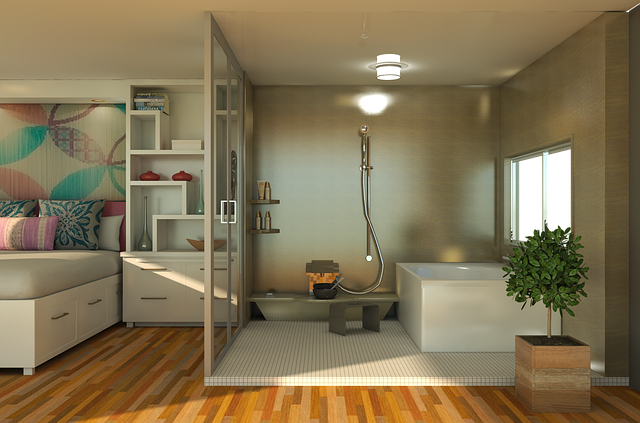
Bathroom remodel cost is a significant consideration for borrowers looking to enhance their living spaces. Understanding the factors influencing this expense, particularly material and labor costs, is crucial for accurate budgeting. Market trends play a pivotal role in shaping these expenses, with fluctuations impacting both homeowners and lenders. For instance, the global pandemic triggered a surge in do-it-yourself (DIY) projects, temporarily reducing demand for labor but causing disruptions in the supply chain of bathroom remodel materials.
Materials costs have been on an upward trend due to factors like rising raw material prices, especially for luxury items such as quartz countertops and smart fixtures. According to recent surveys, average bathroom remodel cost estimates range from $17,000 to $25,000, with higher-end renovations reaching up to $60,000 or more. Labor costs, meanwhile, vary based on location and project complexity, typically accounting for 20-30% of the total bathroom remodel cost. Urban areas often command premium rates due to higher living costs and a limited pool of skilled workers.
To navigate these trends, borrowers should secure multiple quotes from contractors and suppliers. A bathroom remodel cost estimate that aligns with market averages can help in planning and managing finances effectively. Additionally, considering sustainable or recycled materials can offer savings while aligning with eco-friendly preferences. In today’s competitive market, being informed about these dynamics ensures borrowers make well-considerate decisions regarding their bathroom renovation projects.
Analyzing Regional Variations in Bathroom Renovation Prices

Regional variations play a significant role in determining the bathroom remodel cost across different areas. What may be considered an average renovation budget in one city could be significantly higher or lower in another due to various market trends and factors. For instance, urban centers with high real estate values often reflect premium pricing for construction materials and labor, naturally translating to elevated bathroom remodel costs. Conversely, suburban or rural locations might offer more affordable options due to lower overhead expenses.
When analyzing these regional disparities, homeowners should prepare for a range in estimates. A bathroom remodel cost estimate can vary by 1-3 times depending on the region, with premium markets demanding higher prices for specialized fixtures, custom designs, and high-end finishes. For example, a typical renovation in a metropolitan area might involve top-of-the-line appliances and smart technology, driving up costs. In contrast, a more modest remodel in a smaller town could focus on functional updates with standard amenities at a lower bathroom remodel cost.
Understanding these regional trends is crucial for borrowers to set realistic budgets and obtain accurate financing. Lenders often use local market data to assess property values and adjust loan terms accordingly. Therefore, borrowers should research and compare bathroom remodel costs specific to their region to ensure they receive suitable financing options. This proactive approach allows homeowners to make informed decisions, navigate the renovation process effectively, and manage their financial obligations without unexpected surprises.
How Homeowner Choices Drive Bathroom Remodel Costs

Homeowners’ decisions play a pivotal role in shaping the bathroom remodel cost, which can significantly impact borrowers’ financial plans. The bathroom remodel cost estimate is not merely a static figure; it is a dynamic variable influenced by a multitude of choices made during the renovation process. For instance, selecting high-end fixtures and appliances can dramatically elevate the overall expense, whereas opting for budget-friendly alternatives keeps costs in check. Moreover, the size and complexity of the remodel contribute to the final price tag. A simple updating of cabinets and countertops may result in a more manageable bathroom remodel cost compared to a complete gut renovation that involves new plumbing and electrical work.
Market trends further complicate matters. According to recent data, national average bathroom remodel costs have been on the rise, with an increase of approximately 10% over the past two years. This upward trend is attributed to several factors: rising material and labor costs, increased demand for home improvements due to spending more time at home, and the desire for luxurious spa-like experiences in one’s personal sanctuary. For borrowers planning a bathroom remodel, understanding these market dynamics is essential for realistic budgeting. Creating a detailed bathroom remodel cost estimate that accounts for both expected expenses and potential fluctuations in material costs can help set expectations and avoid surprises.
Practical insights from industry experts suggest that homeowners should prioritize their needs and desires rather than blindly following trends. For instance, opting for timeless design elements over fleeting styles can mitigate the risk of future regrets and reduce the need for frequent renovations. Additionally, seeking professional advice early in the process can prevent costly mistakes. A qualified designer or contractor can provide valuable guidance on cost-effective solutions that align with the homeowner’s vision. Ultimately, informed decision-making and a well-planned bathroom remodel cost estimate are key to ensuring a successful and budget-friendly renovation experience.
The Role of Inflation and Economic Fluctuations

The bathroom remodel cost is a significant factor influenced by economic trends, particularly inflation and market fluctuations. In recent years, these factors have substantially impacted borrowers’ financial landscapes. Inflation erodes purchasing power, leading to higher material and labor costs for any home improvement project, not just bathroom remodels. According to the Bureau of Labor Statistics, construction and material costs have increased steadily, with a 10% rise in building materials since 2019 alone. This trend makes it challenging for borrowers to secure accurate bathroom remodel cost estimates as prices are ever-changing.
Economic fluctuations also play a crucial role. Recessions can temporarily stabilize material costs but may lead to higher interest rates, affecting loan terms and overall borrowing expenses. Conversely, robust economic periods can drive up labor costs as skilled contractors become more in demand. For instance, the COVID-19 pandemic caused a surge in home improvement projects, resulting in a 15% increase in average bathroom remodel costs nationwide in 2021 compared to the previous year. These dynamics underscore the importance of obtaining a realistic bathroom remodel cost estimate that accounts for potential market shifts.
To navigate these challenges, borrowers should engage professional contractors who can provide up-to-date pricing information and offer transparent project budgeting. A reliable bathroom remodel cost estimate should factor in not just the renovation itself but also any unforeseen expenses, ensuring financial preparedness. Regularly reviewing market trends and staying informed about economic indicators will empower borrowers to make informed decisions regarding their home improvement projects. By embracing these strategies, homeowners can mitigate the impact of inflation and economic fluctuations on their bathroom remodel costs.
Strategies to Optimize Budget for Your Bath Update

Optimizing your budget for a bathroom remodel is an art that involves careful consideration of current market trends and your unique needs. The bathroom remodel cost can vary widely depending on factors like location, project scope, and design choices. According to recent data, the average bathroom renovation in the US ranges from $17,000 to $25,000, with more elaborate transformations reaching up to $50,000 or more. It’s crucial to understand that these figures are not set in stone; they evolve with market dynamics and personal preferences.
A strategic approach to budgeting begins with a thorough assessment of your project goals. Is it a simple update with functional improvements, or do you envision a luxurious spa-like retreat? This initial vision will guide your cost estimates. A bathroom remodel cost estimate should encompass materials, labor, fixtures, tiles, plumbing, electrical work, and any necessary permits. It’s beneficial to obtain multiple quotes from reputable contractors to gain a realistic range for your specific project. For instance, replacing a bathtub with a walk-in shower might save on material costs but could increase labor expenses.
To stay within budget, consider cost-saving strategies like repurposing existing fixtures or selecting more affordable materials without compromising quality. DIY elements can also reduce outlay, though they require time and skill. Additionally, timing plays a role; off-season remodels often attract lower bids as contractors seek work during slower periods. Monitoring market trends and comparing prices for various materials and finishes will empower you to make informed decisions that align with your financial goals, ensuring your bathroom update is both beautiful and budget-friendly.